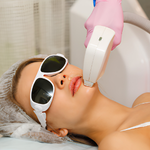
Morpheus8 works on far more than just the face. The same gold-coated RF microneedles that firm facial skin also reach sagging arms, loose neck tissue, and subdermal fat that exercise alone cannot resolve.
This article covers how the technology adapts to different body areas, what clinical research confirms about results, and who tends to benefit most from treatment.
Key Takeaways
- Gold-coated microneedles reach up to 8mm deep for precise body contouring
- Clinical studies confirm measurable fat reduction in the arms and knees
- Safe for all skin tones with minimal, short-lived side effects
- A board-certified physician personalizes every treatment plan
- Most patients need 2 to 4 sessions spaced several weeks apart
Wait, Can those same face needles really tighten your arms and neck?
The short answer is yes. This FDA-cleared system uses the same gold-coated microneedles as facial treatments, but with adjustable depth settings built for thicker, denser body tissue.
The needles reach up to 8mm into the skin’s subdermal layers. As described in the Aesthetic Surgery Journal, this system delivers thermal energy to variable depths through gold-plated pins. No topical cream, serum, or surface peel comes anywhere close.
The device also adapts to each body area automatically during the session. Neck skin runs thinner than arm tissue, while the abdomen holds more fat beneath the surface than the chest does. Real-time tissue resistance readings enable the system to adjust depth and energy settings for each area automatically.
The gold coating on each micro pin serves a specific technical function. It maintains consistent RF energy delivery throughout the session, preventing uneven heating and protecting the tissue surrounding each treatment zone. Recovery for most body areas falls within 24 to 48 hours after treatment.
Body Areas This Technology Can Treat
RF microneedling addresses several body areas that commonly resist other approaches:
- Upper arms
- Neck and jawline
- Abdomen
- Inner thighs and knees
- Back and bra-line areas
Body sessions typically run between 45 and 90 minutes. Treating multiple areas in a single appointment is common and suits patients looking to address more than one concern at once.
The Science Is In: Here’s What Actually Happens to Your Fat and Skin
Clinical research backs what patients report after body treatments. A published clinical trial in Lasers in Surgery and Medicine reported high patient satisfaction specifically for upper arm and knee treatments. Both areas are well-known for resisting improvement through diet and exercise alone.
RF heat causes fat cells to shrink and break down through a controlled process called adipocyte apoptosis. The body’s lymphatic system then clears those byproducts naturally over the weeks following each session. Unlike surgical fat removal, this process is not directly associated with downtime.
There’s also a connective structure called the fibro-septal network sitting just beneath the skin’s surface. Age weakens this network, which leads to visible sagging and loss of firmness over time. RF heat strengthens and rebuilds it, and that rebuilding creates the lifting effect patients notice as results develop.
How Quickly Each Body Area Typically Responds
Each area follows its own timeline for visible change:
- Neck: visible improvement in 4 to 6 weeks
- Arms: changes appear at 8 to 12 weeks
- Stretch marks: texture improvement after 2 to 3 sessions
- Peak collagen results: 3 to 6 months after final treatment
Older white stretch marks respond better than newer red ones. Patients who have experienced significant weight loss often benefit the most, since this approach addresses remaining loose skin without requiring surgery.
A chemical peel can refine surface texture, but it cannot reach fat deposits or the structural tissue layers beneath the skin’s surface. The two approaches operate on entirely different layers, which is why RF microneedling fills a gap left by surface treatments.
Darker Skin Tones and Body Scars: Is this treatment actually safe for you?
Safety is a legitimate concern, especially for patients with darker complexions who have had mixed experiences with other resurfacing methods. The direct answer is yes, this treatment is safe.
A 2025 systematic review in Clinical, Cosmetic and Investigational Dermatology confirmed RF microneedling as a safe and effective option for all types of acne scarring. That includes patients prone to post-inflammatory hyperpigmentation, a known risk with several other resurfacing approaches. That distinction matters for patients who have avoided treatment before due to skin tone concerns.
Unlike laser treatments, RF energy heats tissue gradually without targeting surface pigment. Traditional laser resurfacing disrupts the outer skin layer, which can trigger pigmentation responses in darker complexions. This technology works beneath the surface while leaving it intact, bypassing that risk entirely.
Body acne scars on the back and chest tend to be larger and deeper than facial scars. The treatment series for body scars typically runs two to four sessions spaced four to six weeks apart. Practitioners can address the back, chest, and shoulders in a single appointment.
What to Expect After Treatment (Side Effects)
Side effects are generally mild and short-lived:
- Mild redness: resolves within 1 to 2 days
- Slight swelling: subsides within 48 to 72 hours
- No special recovery protocol beyond basic sun protection
- Return to normal activities within 1 to 2 days
Patients with a history of keloid scarring require a modified approach. A practitioner adjusts settings to reduce the risk of triggering new keloid formation while still addressing existing scars. Surgical scars also respond well to this type of protocol.
Stubborn fat that won’t budge? Here’s What This Treatment Can Actually Do
Some fat sits in the subdermal layer, too deep for creams, peels, or any surface treatment to reach. RF microneedling targets the underlying layers directly, without surgery or an extended recovery period.
The difference from surgical options is worth noting. A body lift or liposuction requires anesthesia and weeks of recovery. RF microneedling involves no incisions and no prolonged downtime, making it a practical option for patients who cannot commit to a surgical timeline.
RF heat triggers controlled fat cell breakdown through adipocyte apoptosis. The body’s lymphatic system eliminates those byproducts naturally over the following weeks. No compression garments or surgical drains are part of the process.
Body Areas Best Suited for Fat and Laxity Treatment
These areas tend to respond particularly well to subdermal RF treatment:
- Upper arms
- Inner thighs
- Lower abdomen
- Knees
- Bra-line and back rolls
Most patients return to work within one to two days after treatment. Exercise restrictions last just 24 to 48 hours. Research published in Scientific Reports showed that RF microneedling improves wrinkles, elasticity, and hydration for months after the final session, confirming that the benefits extend well beyond the last appointment.
Why Your Treatment Plan Won’t Look Like Anyone Else’s
A physician-led assessment determines every variable before treatment begins. Skin thickness, elasticity, prior treatment history, and current skin condition all factor into the final plan. No two patients receive identical depth settings or energy levels, even when targeting the same body area, and that precision separates this from generic approaches.
What Shapes Your Individual Treatment Plan
A personalized protocol accounts for several factors:
- Age and degree of skin laxity
- Previous cosmetic procedures
- Medical history, including autoimmune conditions or active skin issues
- Number and location of body areas being treated
- Desired timeline for results
The number of areas being treated also affects session spacing. Patients addressing multiple areas at once may need slightly longer intervals between visits to allow for adequate healing.
Facial and body treatments can be combined in a single visit for patients who want results in both areas. Maintenance sessions after the initial series extend outcomes without requiring the full protocol to be repeated.
Patients managing active medical conditions or recent cosmetic procedures will have their plan adjusted before treatment starts.
Morpheus8 Body Contouring: Real Results Without Surgery
Morpheus8 extends well beyond the face to treat real body concerns, including loose arm skin, neck laxity, stubborn fat deposits, and body scars, all without surgery.
The non-surgical nature of this approach makes it accessible to a wide range of patients who want meaningful improvement without committing to a surgical procedure and its recovery demands.
Most patients return to normal activities within one to two days. Results continue developing for months as the body produces new collagen and elastin, making the full outcome a gradual but measurable process.
No two treatment plans are the same. Board-certified practitioners calibrate depth settings, energy levels, and session intervals to each patient’s specific skin characteristics and personal goals.
Results from a full treatment series typically last 12 to 18 months or longer with consistent sun protection and periodic maintenance sessions.
Ready to see if Morpheus8 fits your body concerns? Schedule a consultation with The Infinity Glow to talk through your goals and build a personalized plan.
FAQs
What is Morpheus8?
It’s an FDA-cleared device that combines radiofrequency energy with gold-coated microneedles. The needles penetrate up to 8mm into the skin to stimulate collagen production and tighten tissue from within. It treats the face, neck, arms, abdomen, and other areas of the body where skin laxity, scars, or stubborn fat are concerns.
How much is Morpheus8?
Pricing varies based on the treatment area and the number of sessions your plan requires. A single session can range from $800 to $3,000, depending on how many areas you treat at once. Most patients complete two to four sessions, so it helps to discuss the total investment during a consultation.
Does Morpheus8 work?
Yes. Clinical studies published in peer-reviewed journals document measurable skin tightening, fat reduction, and scar improvement across multiple body areas. Results develop gradually as the body produces new collagen over three to six months. Most patients report visible improvement after just one or two sessions.
How long does Morpheus8 last?
Results typically hold for 12 to 18 months, sometimes longer, with consistent sun protection and healthy habits. The collagen your body rebuilds after treatment provides lasting structural support. Periodic maintenance sessions, usually once or twice a year, can help preserve and extend those results without repeating the full series.
Does Morpheus8 hurt?
Most patients describe mild discomfort rather than pain. A numbing cream is applied 30 to 45 minutes before the session, which significantly reduces sensation during treatment. You may feel warmth or light pressure as the needles work. Any tenderness after the session typically fades within a day or two.