Dermatologist acne treatment succeeds because it treats oil, bacteria, inflammation, diet, and hormones as connected parts of one problem. Over-the-counter products often fail because acne rarely comes from a single source.
Oil production, clogged pores, bacteria, diet, and hormones can all drive breakouts at once. Treating only one of these factors explains why so many people cycle through products without lasting change.
Understanding how these factors interact makes it easier to choose an approach that actually holds up over time. The sections below break down each cause and show what it takes to clear skin for good.
Key Takeaways
- Acne forms when oil, dead skin cells, and bacteria combine inside a pore.
- High glycemic foods and dairy can raise oil production through hormonal signals.
- Lasting results usually require several treatments addressing different causes together.
- Combining professional care with a home routine outperforms products used alone.
- The FAQs below cover common questions about breakouts that keep returning.
Why Acne Vulgaris Is More Than a Clogged Pore Problem
Acne vulgaris is not one problem with a single fix. It develops when three factors interact inside the same pore at the same time.
Sebaceous glands produce excess oil. Dead skin cells fail to shed properly and mix with that oil. Bacteria that live naturally on the skin multiply in that environment and trigger inflammation. Removing only one of these factors still leaves the other two active.
According to NIAMS, oil from glands, bacteria, and dead cells clump inside the follicle. This is why surface-level fixes rarely solve the underlying issue.
Why Different Types of Acne Need Different Approaches
This explains why cystic, nodular, and hormonal acne respond poorly to standard products. These types form when inflammation reaches tissue that a topical product cannot access. A cystic lesion is not something you can exfoliate away.
Adult acne follows a different pattern than teenage acne. Hormonal shifts from stress, menstrual cycles, or life changes often drive oil production more than clogged pores alone. This is one reason adult breakouts tend to cluster along the jawline and chin.
Genetics also play a role. Family history influences how much oil the skin produces and how easily follicles become inflamed. This is why two people with similar routines can see very different results.
Fungal acne adds another variable. Yeast overgrowth in hair follicles looks nearly identical to bacterial acne. Treating it the same way can make it worse. A physician can tell the difference, even when a product label cannot.
When Benzoyl Peroxide and Salicylic Acid Aren’t Enough
Benzoyl peroxide kills surface bacteria, and salicylic acid breaks down the dead skin cells blocking pores. Both work well for mild, surface-level breakouts.
Cystic, nodular, and hormonal acne form deeper in the skin, so surface treatments miss the source.
Overusing these ingredients can strip the skin barrier, which pushes the skin to produce even more oil. That extra oil restarts the same cycle the product was meant to stop.
Facial scrubs cause a similar problem. Scrubbing spreads bacteria across the face and irritates skin that is already inflamed, which only feeds more breakouts. Choosing gentler products and pairing them with professional guidance helps avoid this cycle altogether.
What High-Glycemic Foods, Dairy, and Gut Health Have to Do With Your Skin
Diet plays a bigger role in breakouts than most people realize. The connection runs through hormones, not through food touching the skin directly.
How Insulin and Blood Sugar Drive Breakouts
High-glycemic foods raise blood sugar quickly, which triggers a hormonal chain reaction. The body releases more insulin, and insulin raises insulin-like growth factor. That hormone tells the sebaceous glands to produce more oil.
More oil feeds the bacteria involved in breakouts. Food does not cause acne directly, but it can keep oil production high enough that breakouts never fully stop.
A case-control study published in PubMed Central found that cases had a significantly higher dietary glycemic load than people without acne. This supports the link between diet and breakout severity.
Dairy, Processed Foods, and Gut Health
Dairy works through a similar pathway. Milk contains hormones that may activate the same oil-producing signals. Research links dairy-heavy diets to worse breakouts in some people. Whey protein powders carry a similar effect that most people never connect to their skin.
Processed foods and artificial sweeteners show up in research as possible contributors too. The evidence is less consistent than it is for glycemic load and dairy. Some research mentions iodized salt as a trigger when eaten in large amounts.
Gut health connects to acne through inflammation. An imbalanced gut microbiome can raise inflammation throughout the body, including in the skin. The same hormones that affect gut function also affect oil production and hormone balance.
Meal timing and portion size can influence how sharply blood sugar rises after eating. This affects how much insulin the body releases. Intense exercise temporarily raises cortisol, a stress hormone that can cause short-term hormonal shifts.
A topical routine addresses the surface, but ignoring these internal factors works against what actually drives persistent breakouts.
Azelaic Acid, LED Light Therapy, and the Case for a Multi-Modal Treatment Plan
Azelaic acid works well because it addresses several parts of the problem at once. It slows excess skin cell buildup inside the follicle, reduces bacterial activity, and lowers inflammation. It does this without the barrier disruption that stronger acids and peroxides can cause.
Researchers writing in PubMed note that combination therapy will remain the standard of treatment for most patients. No single ingredient addresses every driver of acne at once.
Professional Treatments That Target Multiple Causes at Once
Oral retinoids reduce oil production by shrinking the sebaceous glands themselves. They require physician oversight due to their side effect profile. Physicians typically reserve them for severe or resistant cases. Topical retinoids work through a similar mechanism at a lower level and appear in most ongoing treatment plans.
Chemical peels are offered as another option. They remove the outermost skin layer, clearing dead cells, reducing bacterial load, and softening the look of post-breakout marks. Alpha hydroxy acids work similarly at lower strengths and often fill the gap between professional visits.
LED light therapy pairs blue light, which targets acne-causing bacteria, with red light, which reduces inflammation. This combination makes breakouts less painful and helps them heal faster. Together, they address two separate causes without irritating the skin barrier.
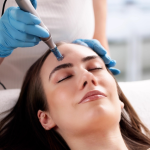
Laser treatments, including IPL photofacials, can address both active acne and the discoloration it leaves behind. Laser resurfacing is a separate service used for more significant textural concerns.
Some professional formulations include antioxidant ingredients such as Korean red pine extract to address oxidative stress. Hyaluronic acid supports hydration in skin treated with drying actives. Hydrocolloid patches offer a simple home option that absorbs fluid from a raised blemish between appointments.
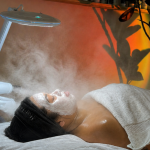
HydraFacial treatments support an ongoing plan by clearing congestion and maintaining results between more intensive sessions. Choosing the right combination depends on skin type, severity, and how skin has responded to treatment in the past. A structured home routine keeps results steady between appointments rather than resetting after each one.
Postinflammatory Hyperpigmentation: The Acne Aftermath That Lingers
Postinflammatory hyperpigmentation is the flat discoloration left behind after a blemish heals. It ranges from pink to deep brown depending on skin tone and how deep the original inflammation reached.
For many people, this discoloration lasts longer and feels more frustrating than the breakout itself.
It is not a scar. It is pigment the skin produces in response to inflammation, and it fades on its own over time. UV exposure speeds up melanin production and darkens existing spots. Picking at a healing blemish can prolong this discoloration and increase the chance of marks lingering for months.
Daily broad-spectrum sunscreen is the most evidence-supported step for shortening how long that discoloration takes to fade.
Breaking the Breakout Cycle with the Right Dermatologist Acne Treatment
Dermatologist acne treatment succeeds because it treats oil, bacteria, inflammation, diet, and hormones as one connected problem. No single product addresses all of these factors at once, which is why breakouts often return. Small changes rarely fix what several systems are driving at the same time.
A combined approach that pairs professional treatment with a structured home routine tends to hold up better over time. If breakouts keep returning despite consistent effort, a personalized plan built around your specific triggers is worth exploring. Explore our Clear Skin Program to see how a physician-guided plan can work for your skin today!
FAQs
Why doesn’t my acne clear up even when I use products every day?
OTC products target surface bacteria and dead skin cells, but they do not address deeper drivers like hormonal oil production or inflammation below the surface. If those factors stay active, the cycle continues no matter how consistently you apply a product. A professional treatment plan accounts for the full picture.
What’s the difference between hormonal acne and regular acne?
Hormonal acne is driven by fluctuating hormone levels that signal the sebaceous glands to produce more oil. It tends to appear along the jawline and chin and flares with menstrual cycles, stress, or hormonal shifts. Other types of acne relate more to bacterial activity or follicle congestion than to hormones.
Can wearing full-coverage foundation make acne worse?
Full-coverage foundation can contribute to clogged pores if the formula is not labeled non-comedogenic. It can also trap bacteria against the skin during wear. One clinical study in PubMed found that switching to non-comedogenic formulas reduced the rate of acne cosmetica. Removing makeup thoroughly each night lowers this risk further.
How long does a professional acne treatment plan usually take to show results?
Most patients see meaningful improvement within six to twelve weeks of starting a consistent treatment plan, though results vary by acne type and severity. Hormonal and cystic acne typically take longer to respond than surface-level congestion. Physician guidance helps adjust the plan as skin responds over time.
What can I do at home between professional treatments to support clearer skin?
Home care between appointments affects how well professional treatments hold. Using the products your provider recommends, avoiding picking at blemishes, applying broad-spectrum sunscreen daily, and adjusting diet when needed all support the progress made during in-office sessions.